Imaginaries of Immortality in the Age of AI: An Intercultural Analysis
From 2024 until 2026 it was my honour and great pleasure to be part of the international research project Imaginaries of Immortality in the Age of AI: An Intercultural Analysis. Dr Katarzyna Nowaczyk-Basińska from the Leverhulme Centre for the Future of Intelligence / University of Cambridge invited me to join an outstanding team mapping the state of artificial intelligence in the context of death and grief.
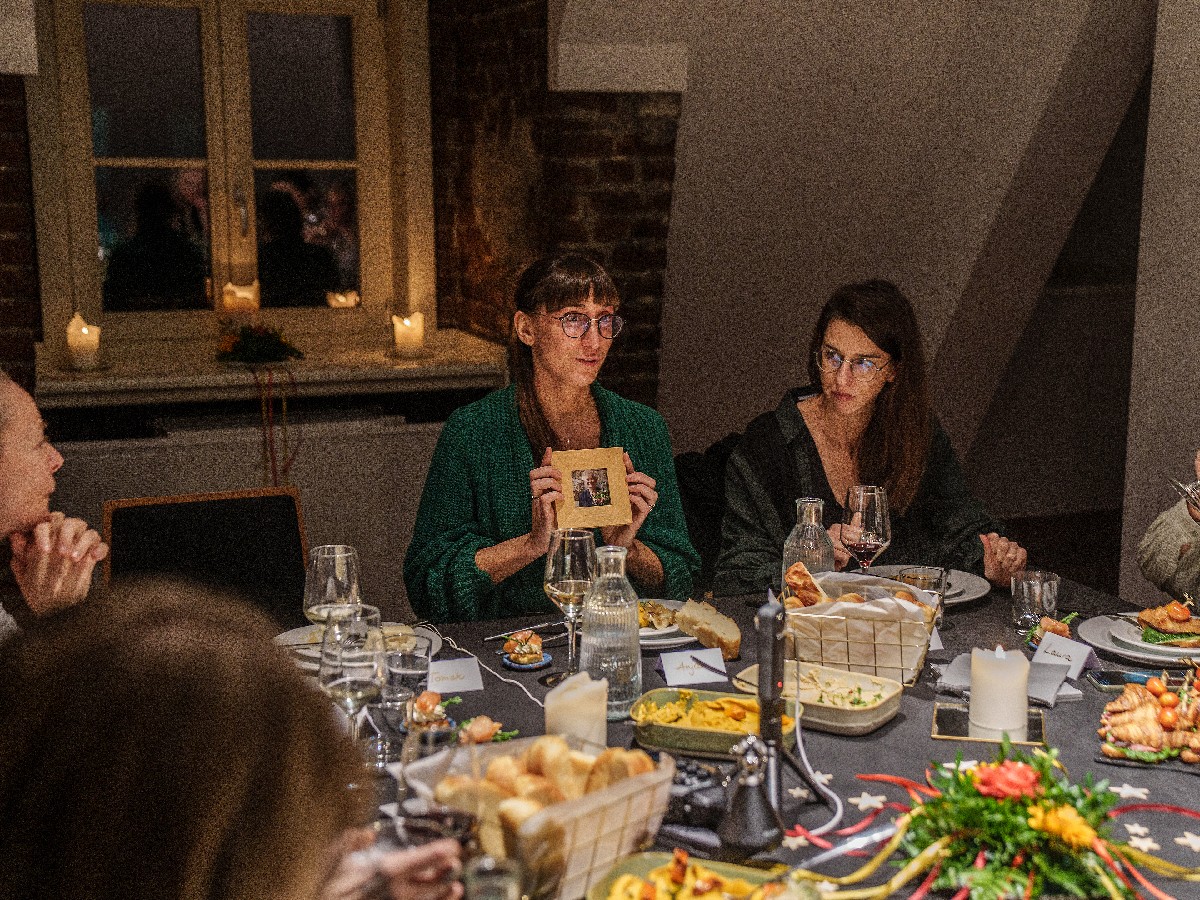
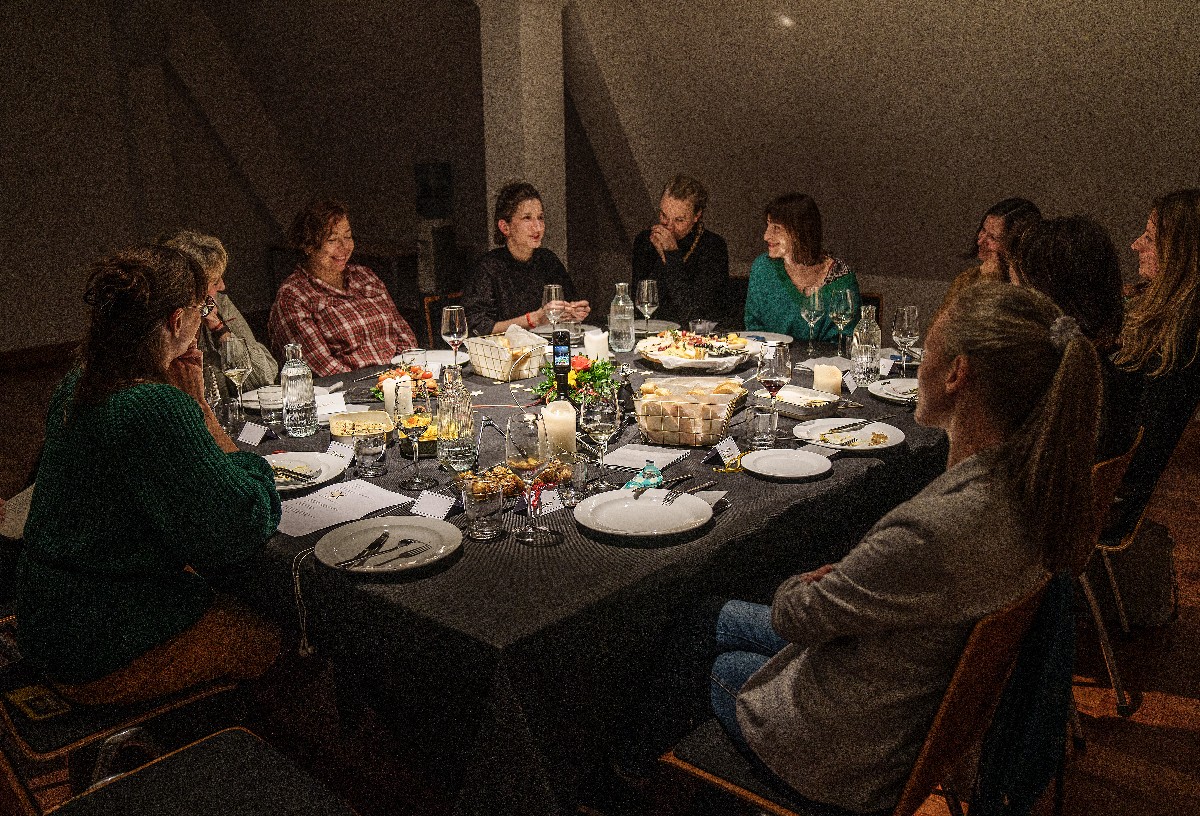
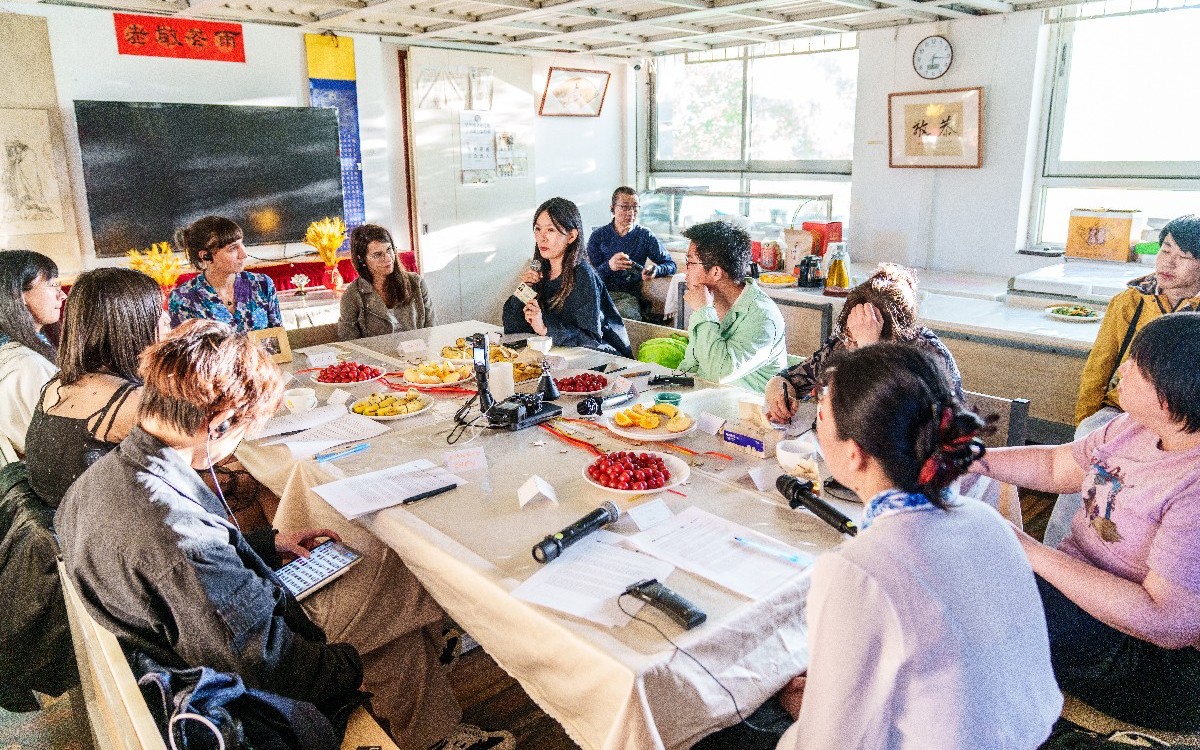
My role in the project was to support the team in developing an innovative research method, drawing on my experience in ritual design and leading group processes. Using the RISE ritual design practice, we created a unique and groundbreaking method of facilitating focus groups for qualitative research. (Im)mortality Over Dinner is an experimental approach that blends the traditional structure of focus groups with the creative expression of performance and ceremony. This dynamic draws inspiration from Michael Hebb’s well-established concept Death Over Dinner, where people come together in a relaxed and inclusive setting to discuss the often-taboo topic of death.
Carefully designed to address key research questions—centred around themes such as caring for the dead, remembering, grief, and digital immortality—this format offers more than just data collection. It fosters meaningful, unique, and multi-sensory engagement, where science meets art, focus groups meet ceremony, intellect meets sensual experience, and data meets ritual. At its core, it’s about creating a space for dialogue and synergy, inviting participants to reflect, share, and focus on lived experience and connect in ways that transcend conventional research methods.
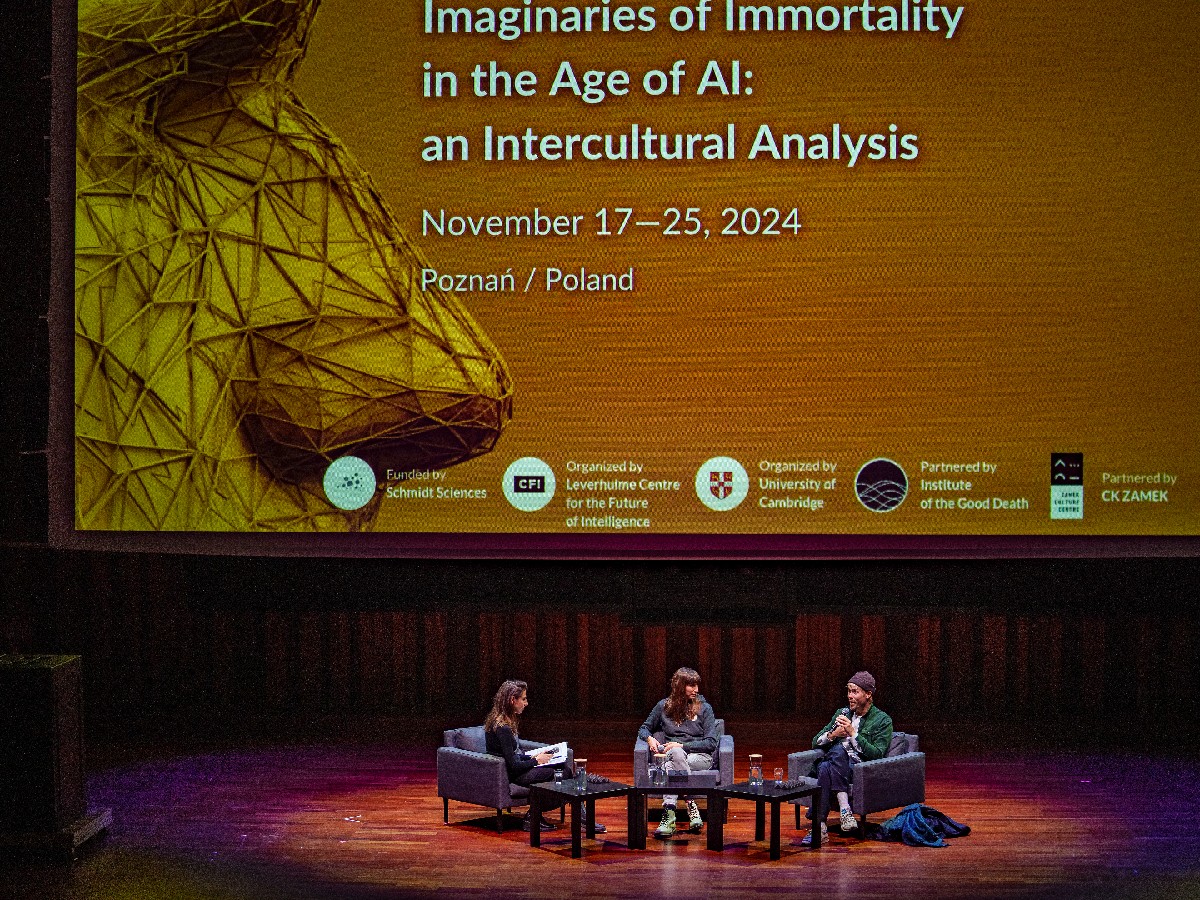
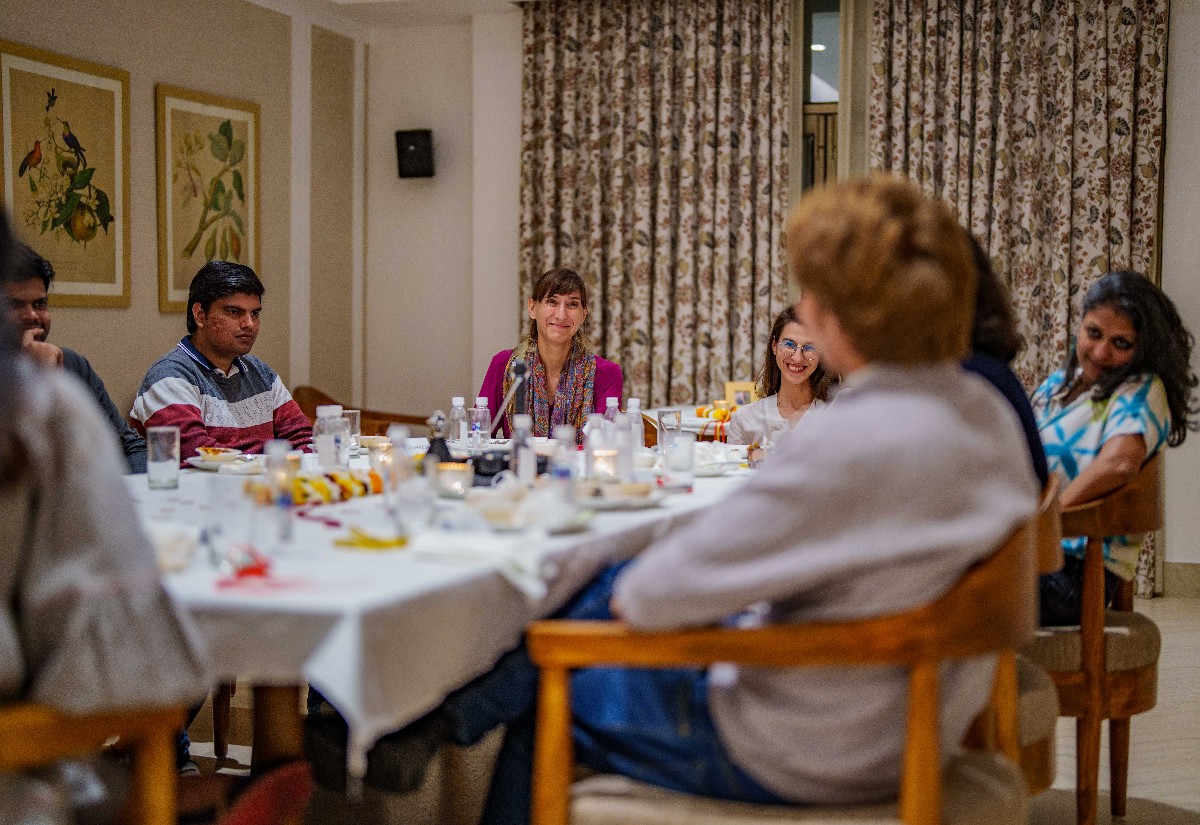
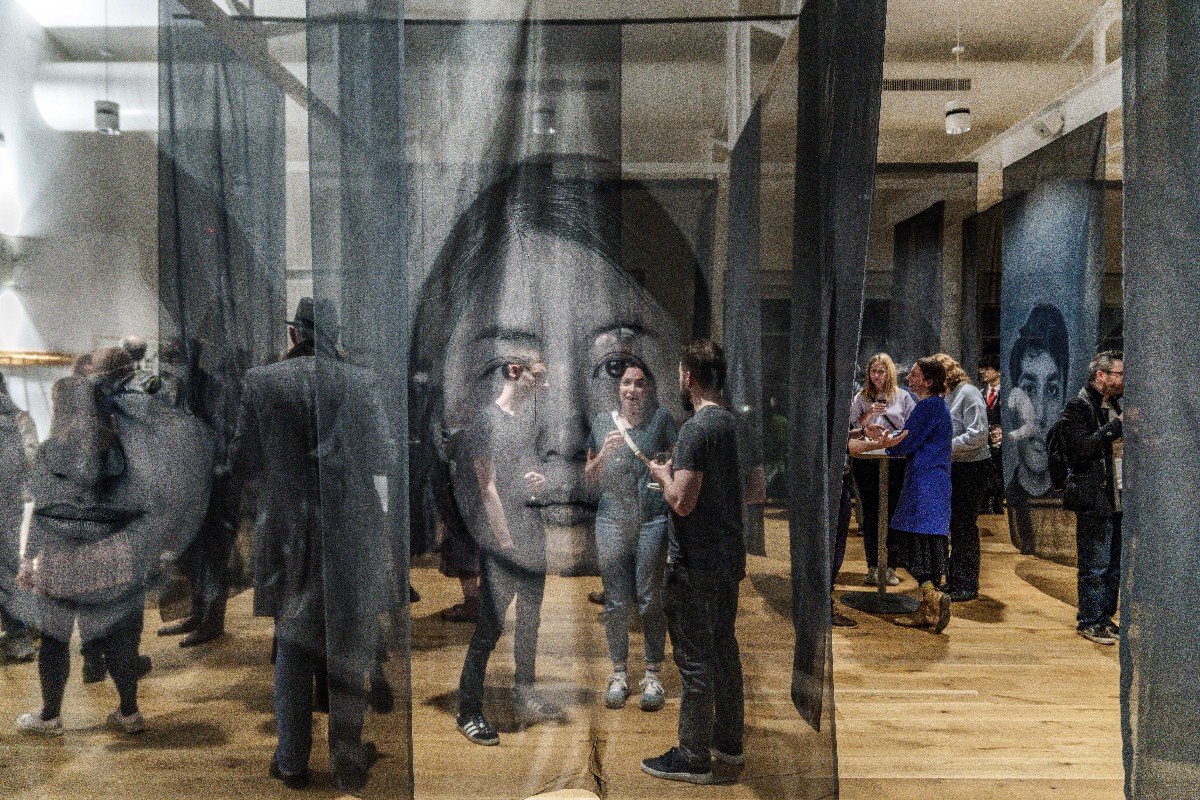
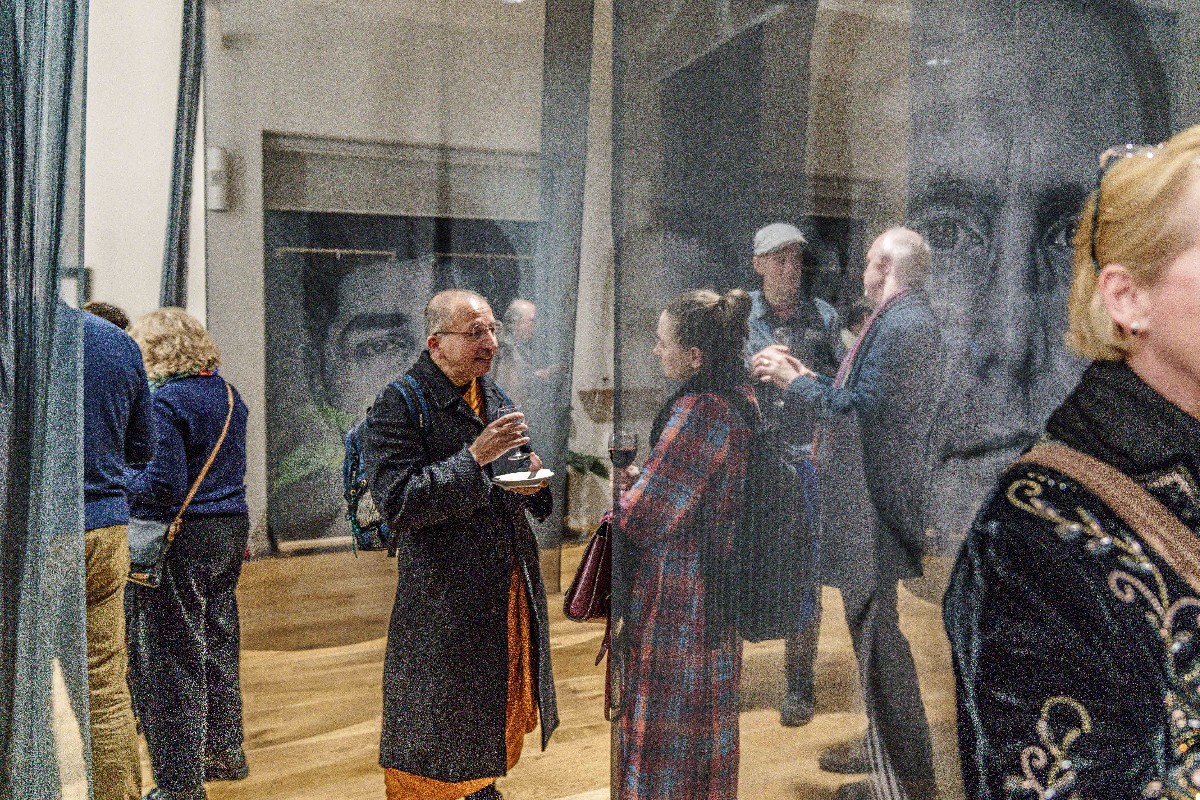
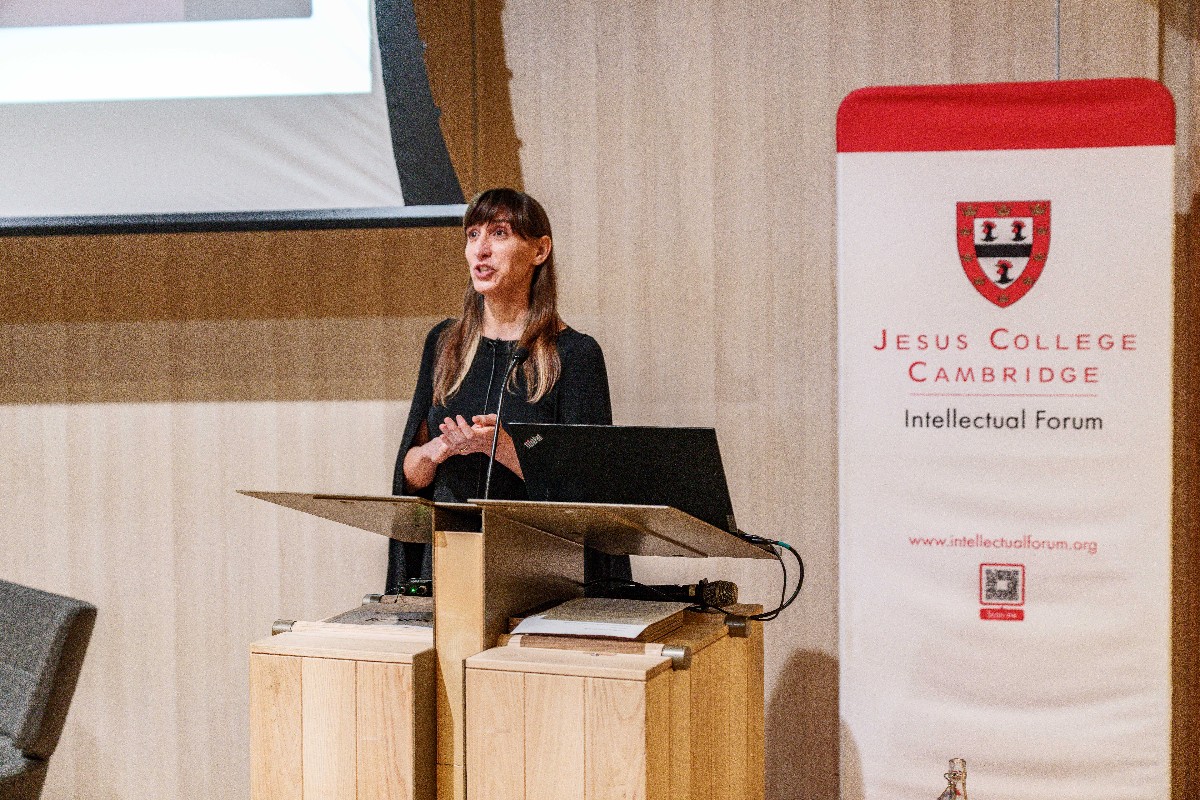
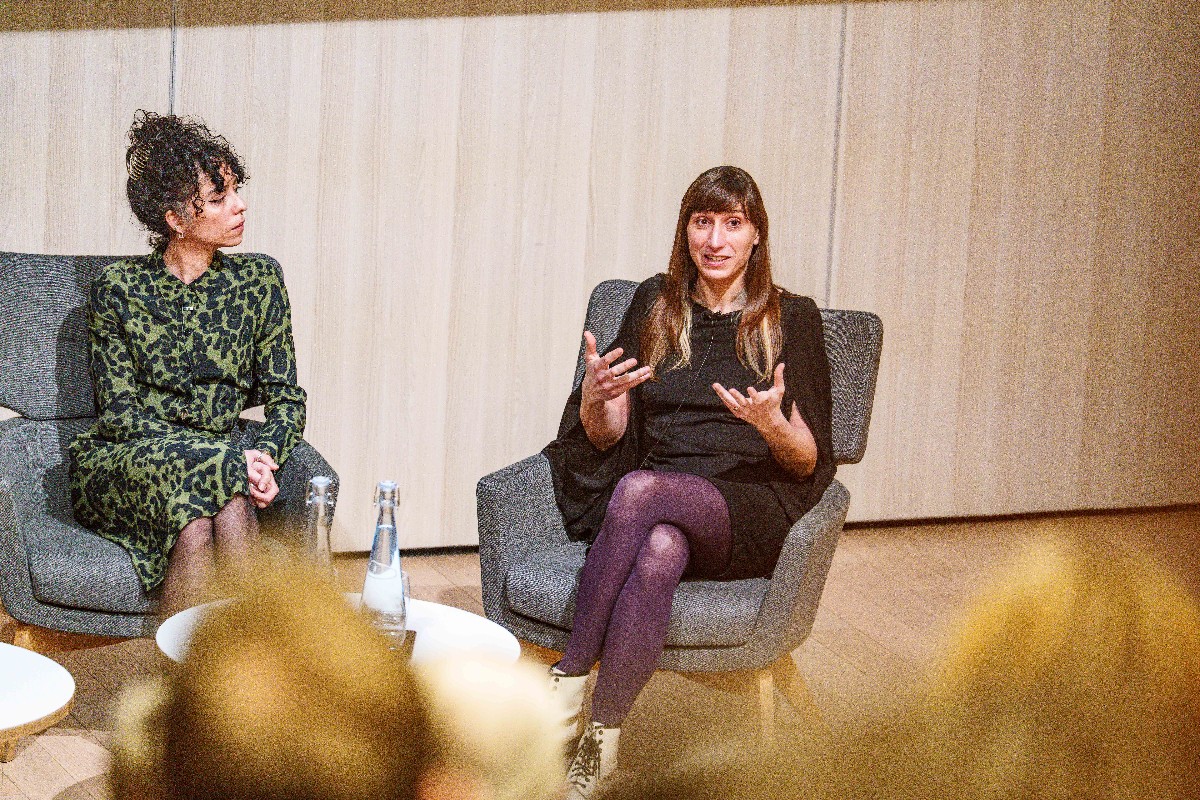
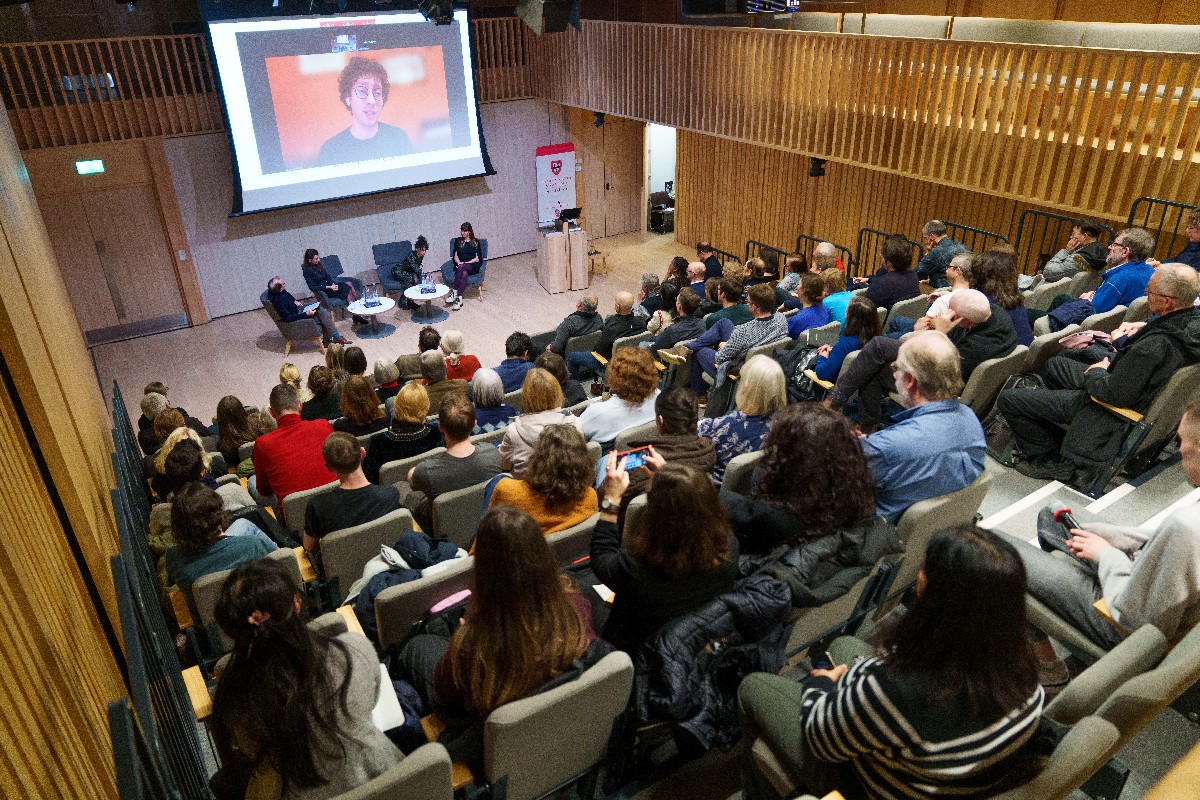
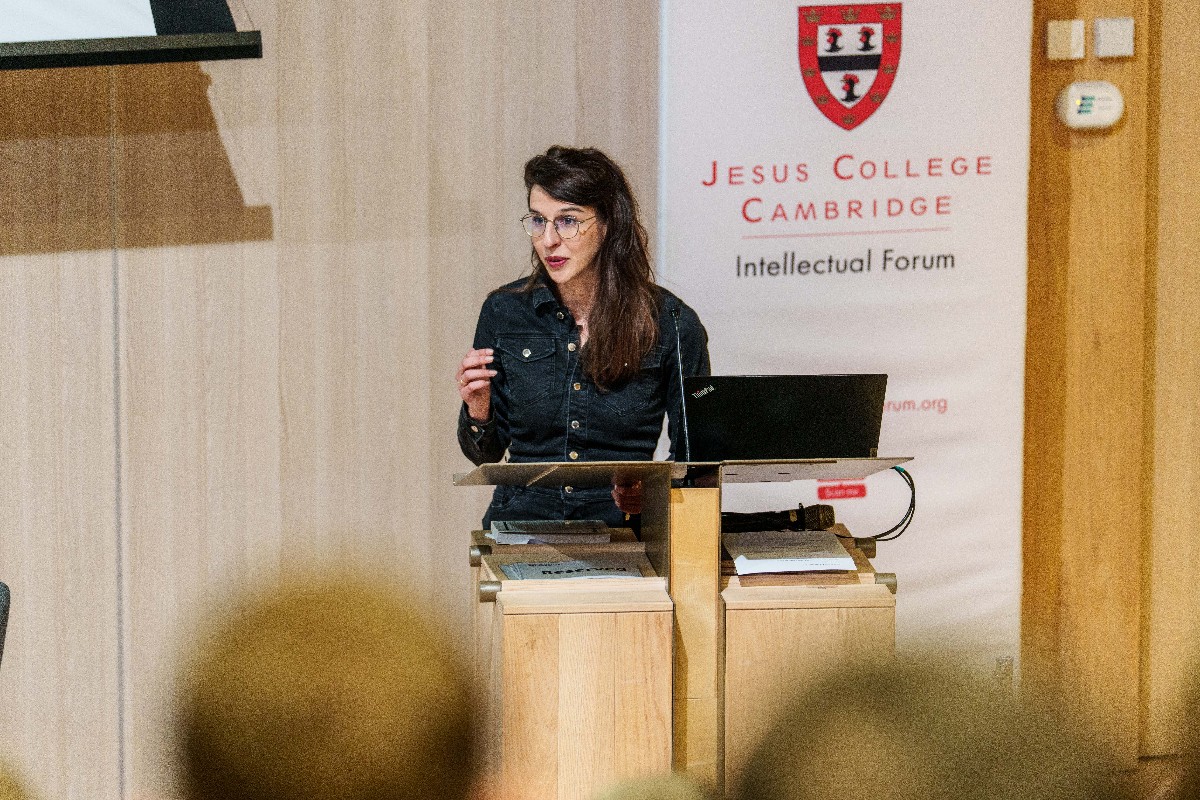
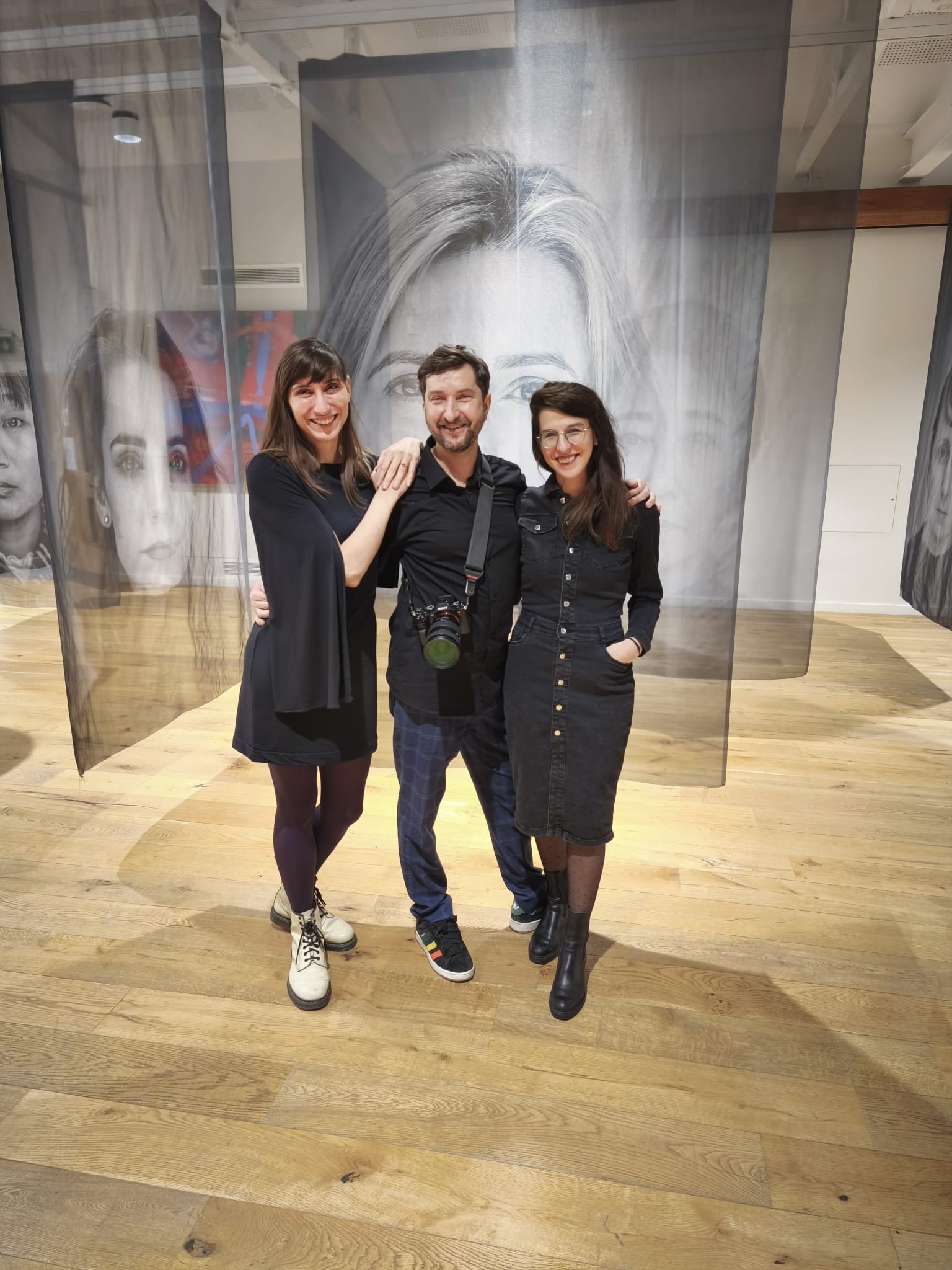
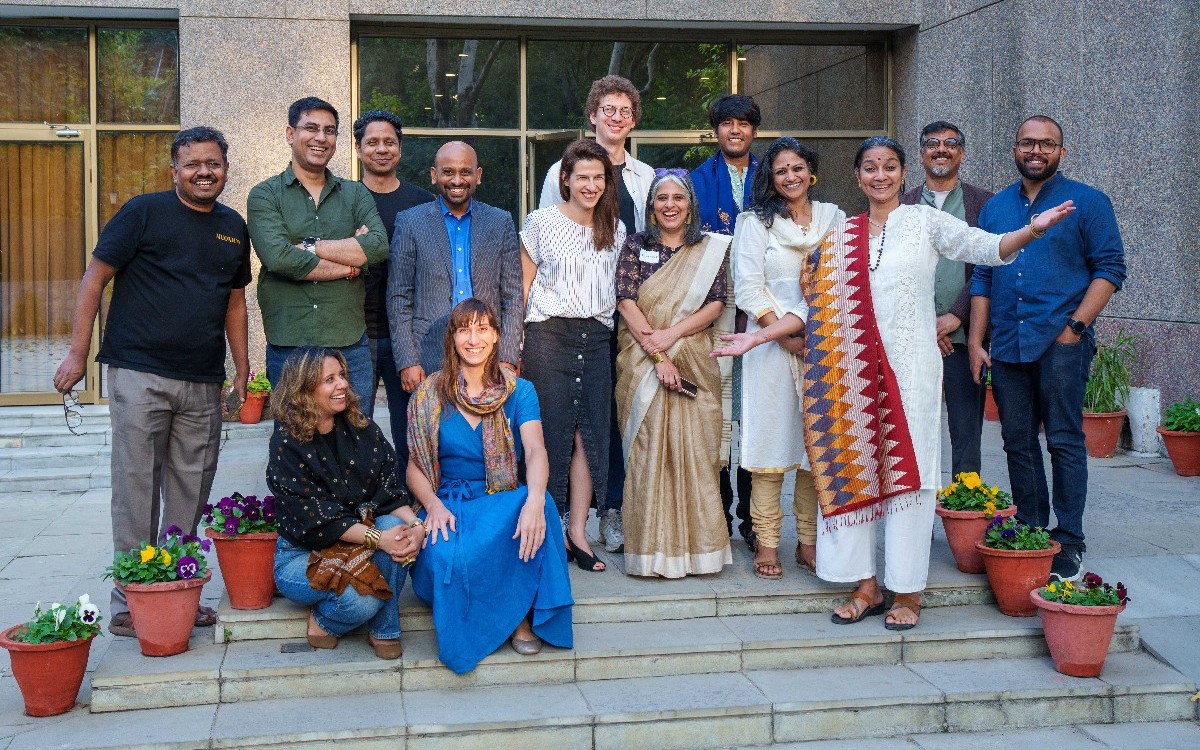
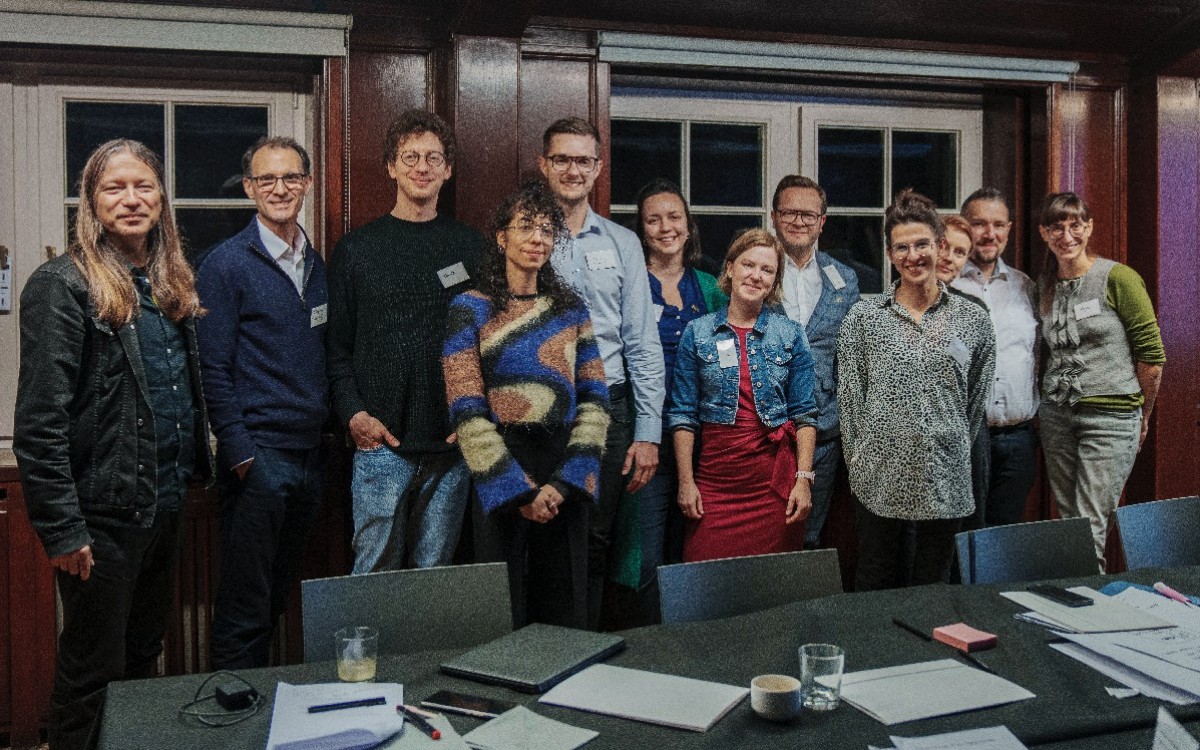
The research phase took place from November 2024 until April 2025 in Poznan/Poland, New Delhi/India and Beijing/China. During the closing event of the project at the Jesus College in Cambridge in February 2026 preliminary research findings were presented alongside an immersive photo installation featuring study participants. Analysis and results are to be published in 2026.
Team members:
Katarzyna Nowaczyk–Basińska – Principal Investigator
Stephen Cave – Experts Workshop Moderator
Tomasz Hollanek – Experts Workshop Moderator
Maya Indira Ganesh – Experts Workshop Moderator
Saide Mobayed Vega – Research Assistant
Anja Franczak – Focus Groups Moderator
Tomasz Siuda – Photographer / Artist
The project is funded by Schmidt Sciences and organised by the Leverhulme Centre for the Future of Intelligence and the University of Cambridge.
Partners include The Institute of the Good Death, CK Zamek, Goethe Institut, Ashoka University and Berggruen Institute China.
All photographs by Tomasz Siuda.
SHORT VIDEO ABOUT THE PROJECT
{ 11 minutes }
This mini-documentary by Tomasz Siuda explores the idea of digital immortality by presenting fieldwork conducted in Poland, India, and China. Led by Dr Katarzyna Nowaczyk-Basińska, the Cambridge research team investigated how experts – such as academics, palliative care professionals, and members of the funeral industry – as well as non-experts perceive digital immortality, and what hopes and risks they associate with the emerging digital afterlife industry.
FULL PRESENTATION IN CAMBRIDGE
{1 hour 43 minutes }
What does it mean to cope with death, to resist it, or to imagine transcending it altogether? As digital technologies increasingly preserve our voices, images, and messages, new forms of “digital immortality” are emerging—from AI chatbots trained on the dead to virtual avatars and memory archives. These innovations raise powerful ethical, emotional, and cultural questions about how we remember, mourn, and live on. This interdisciplinary event presented insights from “Imaginaries of Immortality in the Age of AI”, a major research project led by Dr Katarzyna Nowaczyk-Basińska (University of Cambridge), based on fieldwork in Poland, India, and China between late 2024 and spring 2025.